
Saving the Structural Root: Why Modern Root Canal Therapy is the Ultimate Form of Tooth Preservation
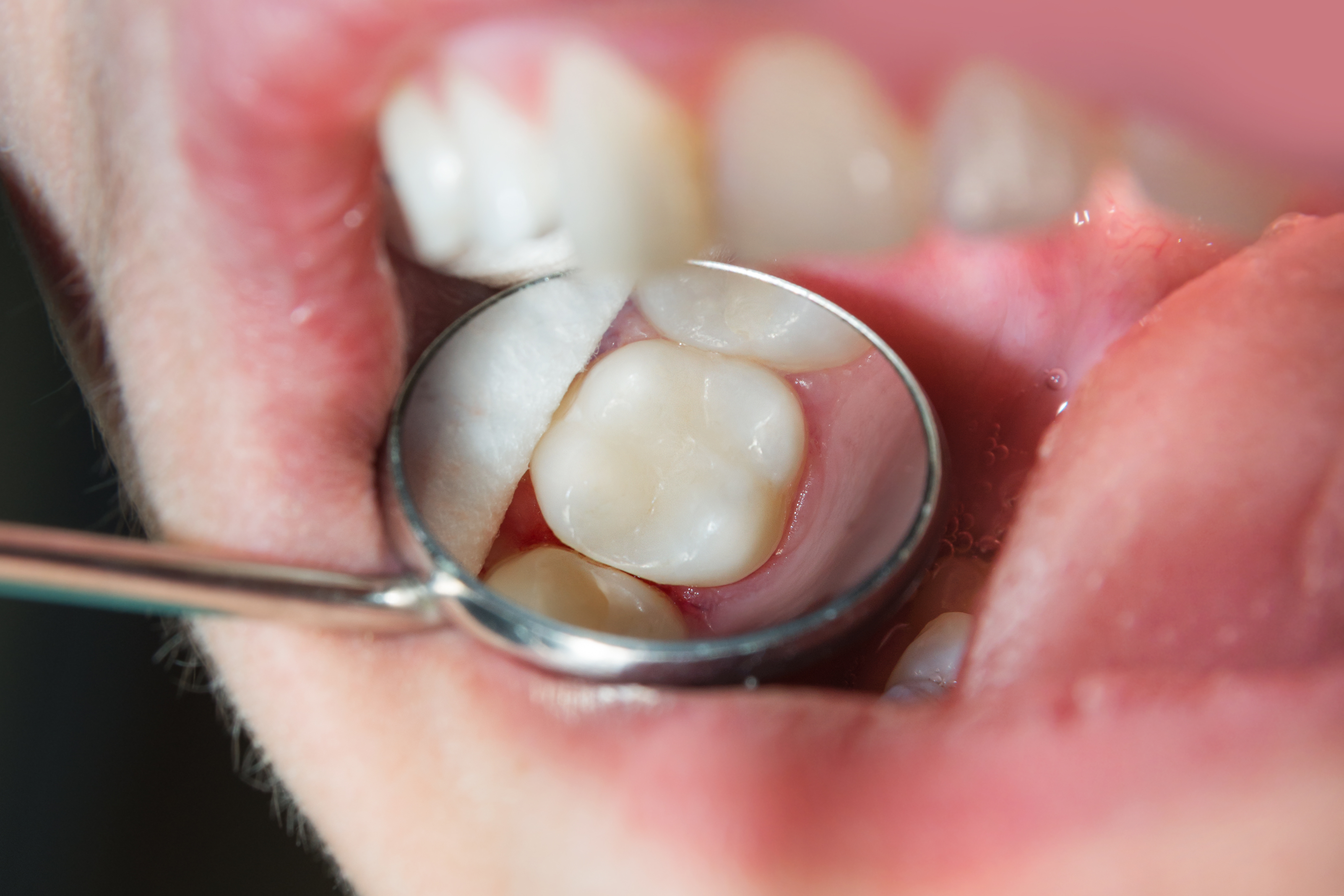
When a tooth becomes deeply infected or inflamed, removing it is not always the only option. Root canal therapy is designed to remove damaged tissue from inside the tooth while preserving as much of the natural tooth structure as possible. With modern endodontic techniques, many teeth that might otherwise require extraction can remain functional for years.
Why Preserving Your Natural Tooth Matters
Your natural teeth are designed to work together for biting, chewing, and maintaining proper alignment. Losing a tooth can create a space that may affect nearby teeth and may eventually require replacement with a dental implant, bridge, or another restoration.
Root canal therapy focuses on saving the existing tooth. Rather than removing the entire tooth, an endodontist treats the infected or inflamed pulp inside it. The roots remain in place, allowing the natural tooth to continue functioning after it has been properly restored.
What Happens During Root Canal Therapy?
Inside each tooth is a pulp chamber containing nerves, blood vessels, and connective tissue. Deep decay, cracks, trauma, or repeated dental procedures can allow this tissue to become inflamed or infected.
During root canal therapy, we carefully access the inside of the tooth, remove the unhealthy pulp, clean and disinfect the root canal system, and seal the canals to help protect them from future contamination. Local anesthesia is used to keep patients comfortable during treatment.
Signs that may indicate a tooth needs endodontic evaluation include:
- Persistent or significant tooth pain
- Sensitivity to hot or cold temperatures
- Swelling near the tooth or gums
- Pain when biting or chewing
- A cracked, chipped, or previously injured tooth
Not every toothache requires a root canal, so a professional evaluation is important for determining the source of the problem and whether the tooth can be preserved.
Root Canal Therapy Protects More Than the Root
Although the procedure is called a root canal, the goal is not simply to preserve the tooth's roots. Modern root canal therapy allows us to maintain the natural tooth itself by treating infection within the canal system while retaining the surrounding tooth structure whenever possible.
Following treatment, the tooth typically needs a permanent restoration. Depending on the tooth and the amount of remaining structure, a restorative dentist may recommend a crown or another restoration to help protect the treated tooth from future damage.
Root Canal Therapy vs. Tooth Extraction
When a tooth can be successfully treated, preserving it may help patients avoid the additional procedures involved with removing and replacing a tooth. Extraction may still be necessary when a tooth cannot be predictably restored, but endodontic treatment gives us an opportunity to preserve many compromised teeth before removal becomes necessary.
Modern root canal therapy combines careful cleaning, sealing, and restorative planning to address infection while maintaining the natural foundation of your smile.
If you have tooth pain, swelling, or signs of a possible infection, contact Canyon Ridge Dental Specialists in Phoenix and Scottsdale, AZ at (480) 538-8100 to schedule an evaluation and learn whether root canal therapy can help preserve your natural tooth.


4 Locations TO SERVE YOU BEST

Contact Info
By Appointment Only
Follow Us
Contact Info
By Appointment Only
Follow Us
Contact Info
By Appointment Only
Follow Us
Contact Info
By Appointment Only
Follow Us
© 2026 Canyon Ridge Dental Specialists. All Rights Reserved. Accessibility Statement - Sitemap
